
Seasons · Visibility · Crowds
Best Time to Visit Kawaguchiko and See Mt Fuji
Last updated November 2026
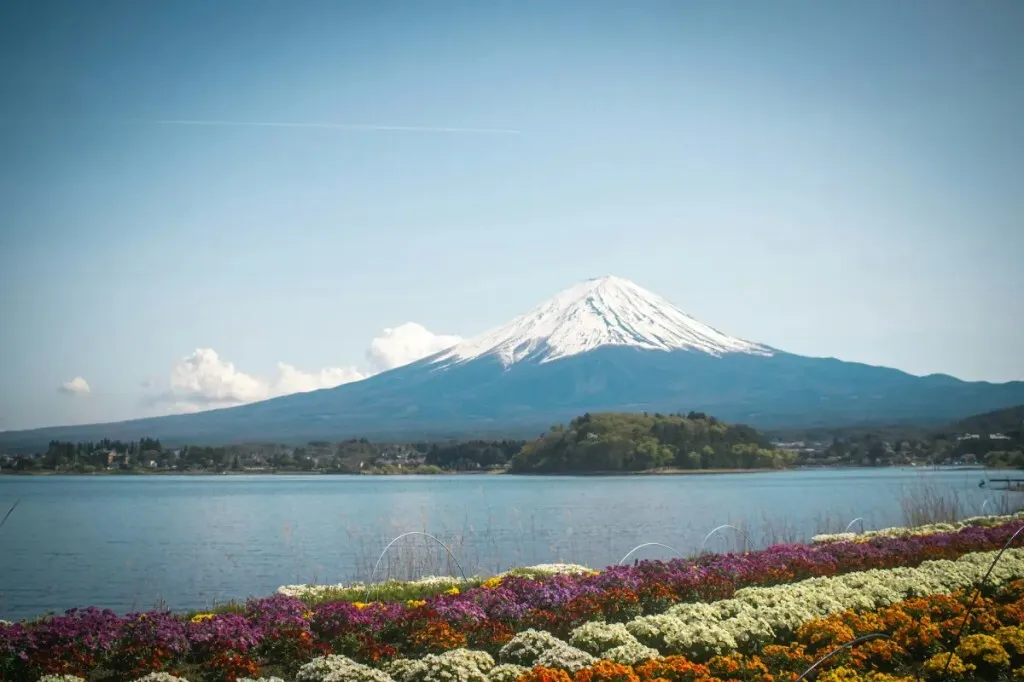
Photo: Kawaguchiko Guide · Site media · Used with permission
The best time to see Mt Fuji from Kawaguchiko is usually the colder months, when air is clearer; summer is often hazier. Mornings beat afternoons. Match your month to flowers, leaves or climbing season — then book lodging early for peak weeks.
Some booking links may earn us a commission at no extra cost to you. How this guide is funded →
Best Time of Year to See Mt Fuji
The best time to see Mt Fuji at Kawaguchiko comes down to the season and a bit of luck. Colder months around the lakes are generally clearer, and summer is often hazier, with thicker cloud and humidity. That’s a general pattern: January isn’t always clear and August isn’t always cloudy.
Use JMA climatological normals and the past-weather station search (Kawaguchiko / 河口湖) for lake-level temperature and rainfall context. For visibility on your actual dates, check the daily forecast and official live cameras. Same-day detail lives on Kawaguchiko weather.
Pick the season by what else you want to see (blossom, lavender, autumn leaves or a quiet winter), and treat a clear Fuji as a bonus. Even in the clearest months you’ll get some cloudy mornings, and flower season often comes with haze. Staying a second night gives you another chance at a clear view.
- Clearest seasons
- Colder months are generally clearer; summer is often hazy
- Best time of day
- Mornings are often clearer — advice, not a guarantee
- Climate data
- JMA normals for Kawaguchiko (lake-level station)
- Overnight
- A second morning beats a single cloudy day trip
Best Time of Day to See Mt Fuji
Mornings are often clearer than the hazy mid-afternoon. That applies at Chureito, Oishi and hotel decks alike, though cloud can sit in at dawn and clear by noon, or the reverse. Check the cameras before you leave the hotel, and have a museum or onsen as a backup.
Day-trippers from Tokyo often spend the clearest hours on the train. If seeing the mountain is the point of your trip, stay at the lake: see where to stay and Mt Fuji viewpoints. A hotel window only helps if the room faces Fuji, so check the room type.
Kawaguchiko Month by Month
Typical patterns only — events shift; confirm official notices. No calendar years on this table.
| Month | Views (typical) | Events / highlights | Crowds |
|---|---|---|---|
| Jan | Often clear, cold air | Quiet lake; New Year travel spikes | Low–medium |
| Feb | Clear chances; cold nights | Winter quiet between holidays | Low |
| Mar | Improving; still cool | Early blossom possible some years | Rising |
| Apr | Variable; good light | Cherry blossom; Chureito peak weeks | High |
| May | Mixed haze starts | Shibazakura (Motosu area) | High |
| Jun | Haze / rainy spells | Early lavender at Oishi | Medium |
| Jul | Often hazy | Lavender; official climbing season | High |
| Aug | Haze + holiday travel | Lake festivals; climbing continues | High |
| Sep | Clearing toward autumn | Shoulder after summer peak | Medium |
| Oct | Clearer air returns | Early colour | Rising |
| Nov | Often clear + colour | Autumn leaves | High |
| Dec | Clear, cold | Winter light; holiday travel | Medium |
Use the table to choose your month, then check weather the week you travel. March and November are very different trips, so pack for the month you’re going.
Kawaguchiko in Spring: Cherry Blossom and Shibazakura
Spring is flower season at the lake. Cherry blossom is typically April and later than central Tokyo; dates vary every year, so confirm the town or city announcement. Full planner: Mt Fuji cherry blossom. Festival cancellations and traffic rules around Chureito can change how peak week feels even when the park stays open — read that page before you assume a hanami party.
Shibazakura (moss phlox) is a different venue near Lake Motosu, not Oishi’s lakeside flower street. Details: Shibazakura festival. Book lodging and Fuji Excursion seats early; peak weeks sell out the views you came for. If you want both sakura at Chureito and shibazakura fields, you usually need two focused mornings — not one overloaded afternoon.
Kawaguchiko in Summer: Lavender and the Climbing Season
Summer brings lake life, longer days and — often — haze that softens or hides the summit. Oishi Park lavender typically peaks late June into early or mid July; the organised Herb Festival has ended, but flowers remain open to view.
If you plan to climb Mt Fuji, use only the official site: fujisan-climb.jp. The climbing season is in summer; exact trail dates and rules change — do not copy dates from blogs. Staying at the lake and climbing the mountain need different planning and gear. Haze can hide the cone from Oishi while the trail is open, and the trail can be closed on a perfectly clear day, so check both the climbing site and the cameras.
Kawaguchiko in Autumn: Leaves and Clear Days
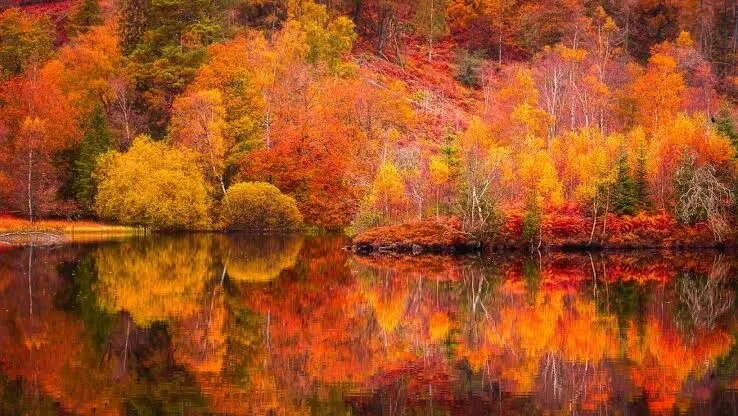
Autumn often pairs clearer air with colour around the north shore and Momiji corridors. It is one of the strongest seasons for photographers who want both leaves and a chance at Fuji. Crowds rise on peak weekends — go early. Guide: autumn leaves. Shoulder weeks either side of peak colour can trade a little intensity for calmer buses and easier lodging.
Kawaguchiko in Winter: Clear Fuji and Cold Nights
Winter is frequently the clearest season for the cone and the coldest for decks, stairs and lakeside wind. Chureito’s 398 steps and ropeway decks need warm layers; some boats and outdoor extras thin out — check operators. Quiet midweeks reward overnight guests who can wait for a clear morning. Snow on the summit photographs brilliantly; ice on the Sakuyahime stairs does not — footwear matters as much as the forecast.
When to Book Hotels
Book early for blossom, shibazakura, autumn colour and year-end weeks. Fuji-view room types go first. Filter by shore on where to stay, then lock dates before trains.
A second night gives you another chance at a clear view. See day trip from Tokyo if you’re weighing the two. On peak blossom and maple weekends, north-shore Fuji-view rooms and Ubuyagasaki ryokan book up well ahead. If your dates are flexible, go midweek and put the savings toward a better room.
Your questions, answered
What is the best time of year to see Mt Fuji?
Colder months around the lakes are generally clearer; summer is often hazier. Cloud still decides any single day — check the official forecast and live cameras.
What is the best time of day to see Mt Fuji at Kawaguchiko?
Mornings are often clearer than mid-afternoon haze. That is practical advice, not a guarantee. Overnight stays buy a second look.
When is the best time to visit Kawaguchiko for cherry blossom?
Typically April around the lakes, later than central Tokyo and variable every year. Confirm the town or city announcement for the season, then book early.
Is summer a bad time for Fuji views?
Summer can be beautiful for lavender and lake life, but haze and cloud often hide the summit. Build a backup stop and check visibility the morning you go.
When should I book hotels?
Book early for cherry blossom, shibazakura, autumn colour and New Year weeks. Fuji-view rooms sell first — filter by shore and room type, not only by date.
Can I climb Mt Fuji from Kawaguchiko?
Climbing uses the official trails and season published on fujisan-climb.jp. A lake stay and a summit climb need different planning, so read the official climbing site for rules and dates.