
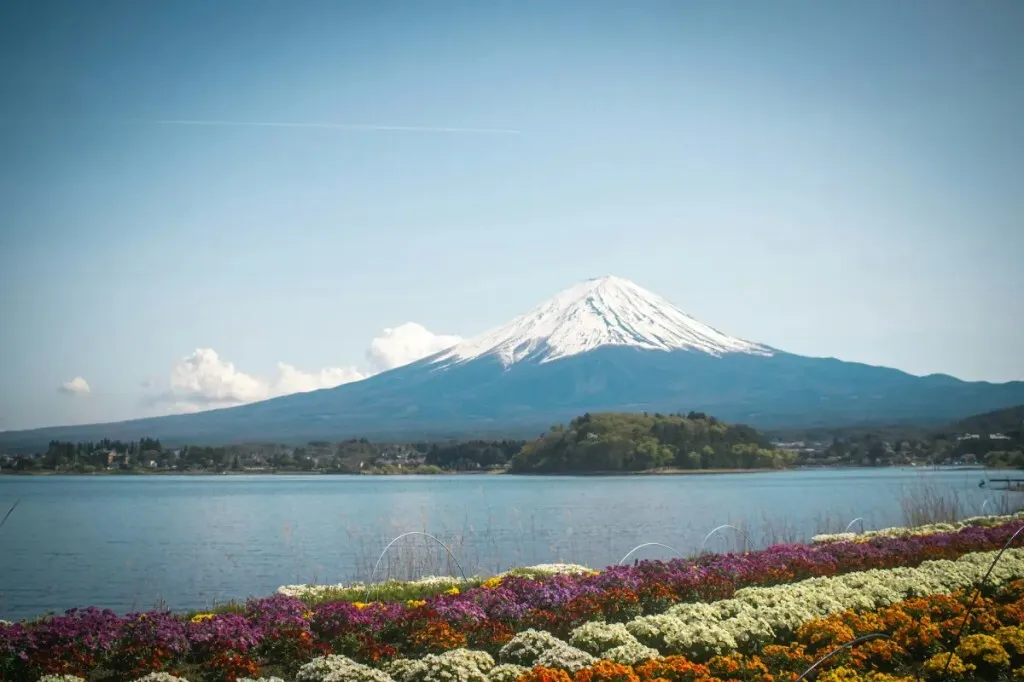
Kawaguchiko · Yamanaka · Saiko · Shoji · Motosu
Fuji Five Lakes Guide: Kawaguchiko and Beyond
Last updated November 2026
Photo: Kawaguchiko Guide · Site media · Used with permission
The Fuji Five Lakes are Kawaguchiko, Yamanaka, Saiko, Shoji and Motosu on Mt Fuji’s north side. Kawaguchiko is the easiest overnight base from Tokyo; Saiko and Motosu suit quieter days on the Green and Blue sightseeing buses; Yamanaka is a separate lake with its own buses. Pick the lake for your nights, then day-trip the rest.
Some booking links may earn us a commission at no extra cost to you. How this guide is funded →
What Are the Fuji Five Lakes?
The Fuji Five Lakes (Fujigoko) sit on Mt Fuji’s north side in Yamanashi: Kawaguchiko, Yamanaka, Saiko, Shoji and Motosu. They can look like one interchangeable postcard, but they are not. Access, lodging density and crowd rhythm change lake by lake — even when the cone looks similar on a clear morning.
Pick a base for the night, then day-trip outward. For activity ideas see things to do; for the coloured buses see getting around. Cloud still decides whether the summit appears — check the JMA forecast rather than a blog percentage.
Travellers who try to “do all five” before dinner usually see mostly coach glass. One overnight lake plus one neighbouring shore is enough geography for most first trips; save Motosu moss phlox or Yamanaka resort days for a second visit or a car.
- The five
- Kawaguchiko, Yamanaka, Saiko, Shoji and Motosu
- Easiest base
- Kawaguchiko — direct train/bus from Tokyo and densest lodging
- Motosu highlight
- Seasonal Fuji Shibazakura Festival at Motosuko Resort
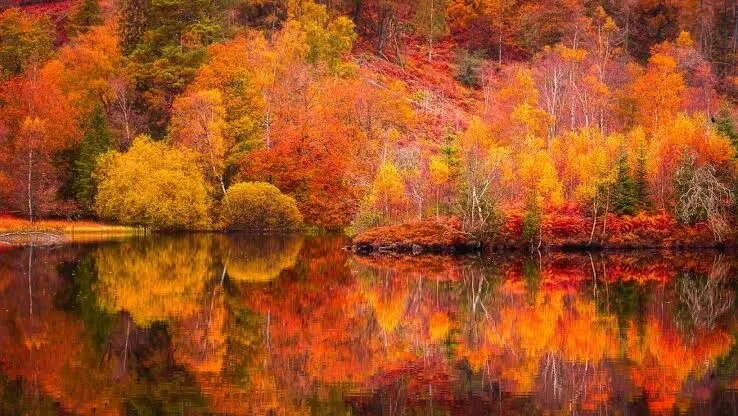
Lake Kawaguchi (Kawaguchiko)
Kawaguchiko is the default overnight for Tokyo travellers: Fuji Excursion and Shinjuku highway buses, densest hotels and the Red Line lake loop. North-shore parks, Ubuyagasaki ryokan and station hotels all sit on this water. Start with the Kawaguchiko guide for the full planner, then filter shores on where to stay.
Crowds concentrate here in sakura, Golden Week and maple weeks — that is the trade for convenience. If every Fuji-view room is gone, use the other lakes as fallbacks rather than forcing a bad room type on the main shore.
Kawaguchiko still wins when your hardest morning is a Tokyo train, a Red Line dawn or a Chureito hop via Shimoyoshida. The other lakes win when quiet water matters more than frequency.
Lake Yamanaka
Lake Yamanaka is the largest of the five and a different lodging market — more resort sprawl, beaches and sports facilities in season. It is not on the Red/Green/Blue Kawaguchiko loop. Fujikyu’s Fujikko-go corridor links the Oshino / Yamanakako side; check that timetable separately from the lake-colour buses.
Stay at Yamanaka when you want space and a calmer evening after a Kawaguchiko day, or when main-lake hotels are sold out. Expect a transfer mindset — it is a sibling lake, not a suburb of Funatsu.
Lake Yamanaka is the one for beaches and summer sports; winter brings a different resort rhythm. Confirm seasonal facilities on local operator pages before you pack swimwear or ice skates into a Fuji photo trip.
Lake Saiko and Saiko Iyashi no Sato Nenba
Lake Saiko sits west of Kawaguchiko with quieter forest edges and Aokigahara context. The Green Line sightseeing bus from Kawaguchiko Station serves Saiko, Nenba and Narusawa Ice Cave stops — the car-free west-lake tool for most visitors.
Saiko Iyashi no Sato Nenba is the reconstructed thatched-house village on the Saiko side — a craft-and-culture stop rather than a viewpoint race. Pair it with one Saiko shore walk; do not stack Motosu moss phlox the same afternoon unless you already sleep west. Bus colour overview: getting around.
Lake Saiko days feel longer when dinner is still back at Kawaguchiko — check the last Green Line before you linger in Nenba workshops.
Lake Shoji
Lake Shoji is the smallest of the five and among the quietest. The Blue Line lists Shoji among Motosu-corridor stops. Come for still water and fewer coaches — leave if you need restaurants every block and frequent buses after dark.
Shoji works as a Blue Line add-on when Motosu or shibazakura is already on the card. It is a weak primary base for first-timers who still need Kawaguchiko Station logistics every morning.
Lake Motosu and the Shibazakura Festival
Lake Motosu is the west-lake classic for deep-blue water and open Fuji frames on clear days. The seasonal Fuji Shibazakura Festival carpets Fuji Motosuko Resort with moss phlox — usually mid-April to late May. Full planner: Fuji Shibazakura Festival.
Blue Line and seasonal liners connect from Kawaguchiko in festival season; outside those weeks Motosu is still worth a calm afternoon if you accept thinner frequencies. Do not confuse Motosu moss phlox with Kawaguchiko cherry blossom calendars.
Which Fuji Lake Should You Stay At?
| Lake | Best for | Access snapshot | Watch-outs |
|---|---|---|---|
| Kawaguchiko | First trips, trains, densest hotels | Direct from Tokyo; Red Line loop | Busiest shores and sold-out view rooms |
| Yamanaka | Resort space, alternate lake vibe | Separate bus corridor (not Red/Green/Blue) | Longer hop back to Kawaguchiko Station |
| Saiko | Quieter forest edges, Nenba village | Green Line from Kawaguchiko Station | Fewer restaurants; plan dinner |
| Shoji | Smallest, calmest water | Blue Line corridor | Thin lodging and evening buses |
| Motosu | West-lake views; shibazakura season | Blue Line / seasonal Motosu services | Festival traffic; book early in peak pink |
Open where to stay for Kawaguchiko shore detail, then return here when the main lake is full. A car-free loop that works for most overnight guests: Kawaguchiko base → Red Line morning → Green or Blue afternoon → station dinner. Collecting all five shores before the last Tokyo bus is a checklist, not a trip.
Theme-park travellers often sleep at Kawaguchiko or Fujiyoshida and day-trip Fuji-Q Highland — thrill schedules and summit visibility are unrelated problems. Trim your list with things to do, and review getting around the morning you switch bus colours.
Book the bed on the lake that matches your hardest morning (dawn Oishi, shibazakura gates, or a Tokyo train), not the lake that looked best in a single Instagram grid. Re-open where to stay after you skim this table so shore-level room types stay attached to the lake you actually chose.
Your questions, answered
What are the Fuji Five Lakes?
Five lakes on the north side of Mt Fuji — Kawaguchiko (Lake Kawaguchi), Yamanaka, Saiko, Shoji and Motosu. They share Fuji geography but differ in access, lodging density and crowd patterns.
Which Fuji lake should I stay at?
Most first-timers stay at Kawaguchiko for trains, buses and hotels. Choose Yamanaka for a resort-lake feel, Saiko for quieter forest edges, or Motosu/Shoji when you want west-lake calm and accept thinner lodging.
Can I see all five lakes without a car?
Partially. Red/Green/Blue sightseeing buses cover Kawaguchiko, Saiko, Shoji and Motosu from Kawaguchiko Station. Yamanaka uses a different bus corridor. Collecting every shore in one day is usually a poor plan.
Is Lake Saiko worth visiting?
Yes for quieter walks, Aokigahara-edge forest context and Saiko Iyashi no Sato Nenba. Ride the Green Line from Kawaguchiko Station and treat it as an afternoon, not a full substitute for the main lake.
Where is the Shibazakura Festival?
At Fuji Motosuko Resort near Lake Motosu — moss phlox, usually mid-April to late May. It is a different flower and place from Kawaguchiko cherry blossom.
Kawaguchiko or Yamanaka for Mt Fuji views?
Both can frame Mt Fuji on clear days. Kawaguchiko has denser classic lake–Fuji photo stops and easier Tokyo access; Yamanaka spreads resort lodging around a larger lake. Cloud still decides the summit.