
Oshino Village · Fuji Five Lakes
Oshino Hakkai: Visiting the Spring Ponds Near Mt Fuji
Last updated November 2026
Photo: Kawaguchiko Guide · Site media · Used with permission
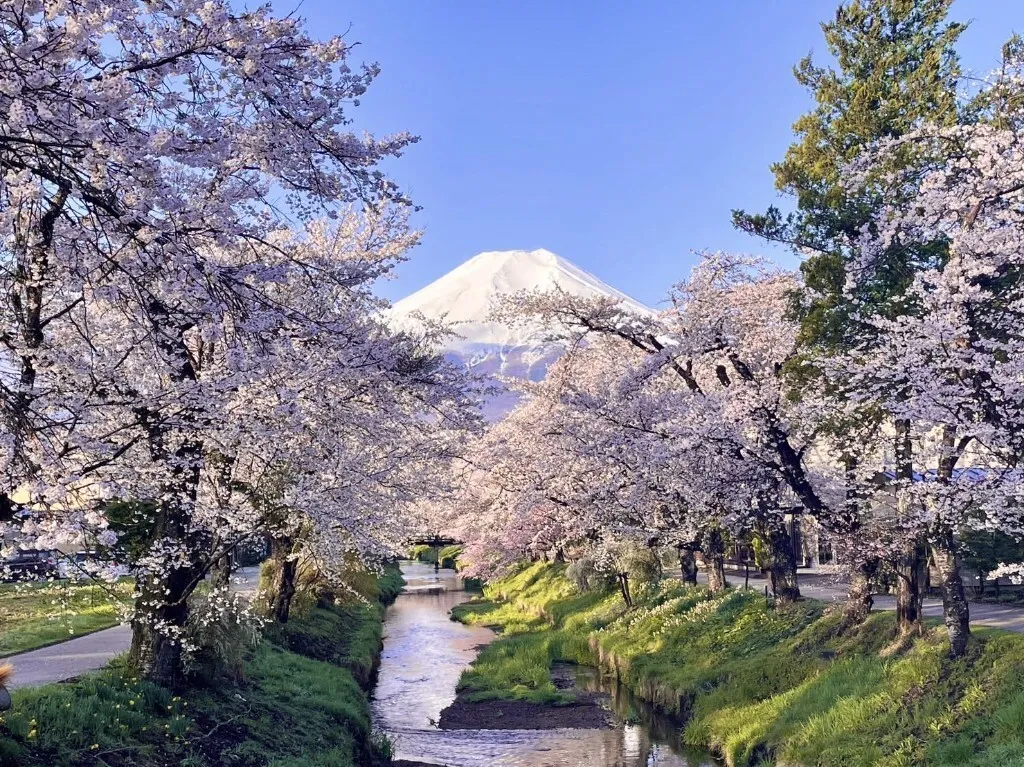
Oshino Hakkai is a cluster of spring-fed ponds in Oshino Village below Mt Fuji — a living village stop, not a theme park. From Kawaguchiko, take the Fujikko-go sightseeing bus; many Mt Fuji day tours include it. Go early, stay on paths and be glad if Fuji shows.
Some booking links may earn us a commission at no extra cost to you. How this guide is funded →
What Is Oshino Hakkai?
Oshino Hakkai is a cluster of spring-fed ponds in Oshino Village, in the Fuji Five Lakes area below Mt Fuji. Paths and bridges link the ponds; clear days can add the mountain above the water, while soft days still leave you with springs, village lanes and souvenir streets. It is a visitor stop wrapped around a living village, not an empty nature reserve. Most itineraries under-estimate walking time between ponds and over-estimate how long a clear summit lasts once coaches arrive — plan the reverse.
National tourism copy describes eight ponds with local stories and Fuji-related pilgrimage history. For village notices and deeper local pages, start from the Oshino Village site and confirm opening details for any paid side attraction on the day. Place Oshino on a shortlist with things to do and Mt Fuji viewpoints rather than treating it as a full-day replacement for the Kawaguchiko shore.
Souvenir streets and food stalls sit beside the water — expect commercial bustle even when the springs look serene in photos. Budget more walking time than a single pond viewpoint suggests if you want to loop several of the eight.
- Tours
- Common stop on Tokyo Mt Fuji day tours, so confirm the live listing
- Etiquette
- Living village — stay on paths; do not block homes or shop fronts
How to Get to Oshino Hakkai from Kawaguchiko
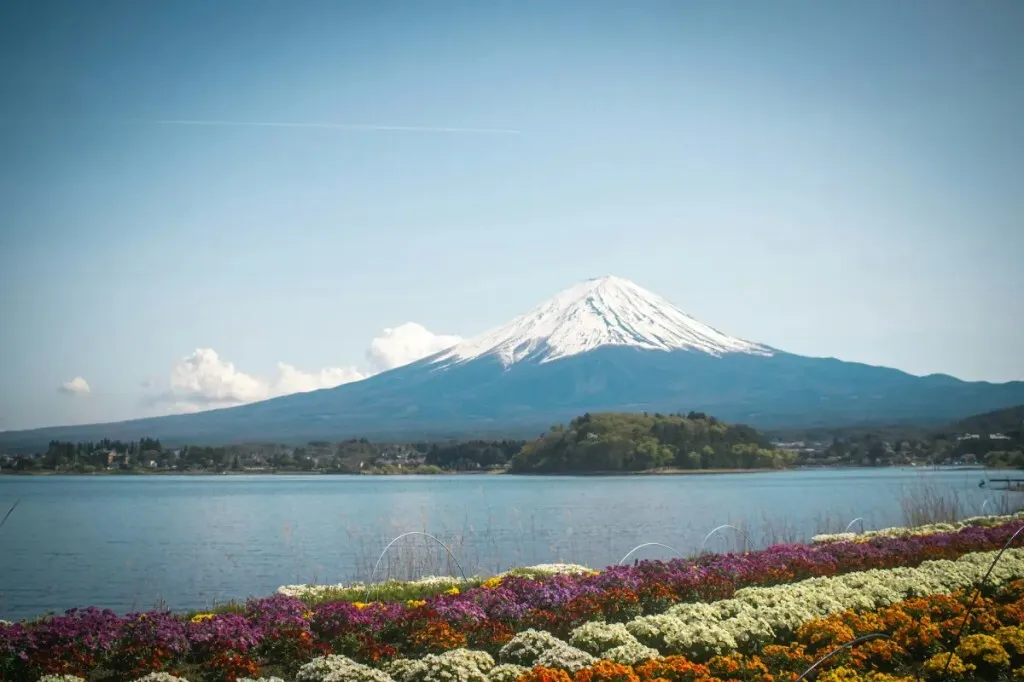
From Kawaguchiko Station, take the Fujikko-go sightseeing bus operated by Fujikyu Bus — the route that tours Fujiyoshida, Oshino Hakkai and Yamanakako. The English operator page lists Oshino Hakkai among the stops and notes multiple daily departures; check the timetable for your date. This is not the Red/Green/Blue lake-loop network — do not assume a Kawaguchiko unlimited-ride pass covers Fujikko-go without reading the pass rules. Buy the ticket product that matches the buses you will actually ride that day; mixing lake-loop and Fujikko-go without checking is a common first-timer mistake.
Allow buffer for queues back to the lake in the late afternoon. Full local-bus context sits on getting around. If your day already includes Chureito’s stairs, treat Oshino as an optional afternoon only when energy and bus timing still look realistic on paper.
Best Time to Visit Oshino Hakkai
Early beats midday for calmer paths and a better chance of clearer air. Tour coaches and weekend crowds thicken the village lanes; mornings and shoulder seasons feel more open. Winter can sharpen Fuji views and add cold; summer brings longer days and thicker haze some afternoons.
Cloud still decides the mountain. Check the official forecast if a reflection shot is the goal. If the summit hides, shorten the stop and save energy for the lake or an onsen rather than waiting for a miracle clearing that may not come. Autumn colour and winter snow change the village mood without changing the bus transfer — pack layers either way.
Oshino Hakkai on a Mt Fuji Tour
Many Tokyo Mt Fuji day tours include Oshino because it packs ponds, village texture and a Fuji chance into one timed stop. That convenience is why the village feels busy by late morning. Confirm the live stop list, dwell time and cloudy-day policy on the product page.
Browse more Mt Fuji tours, or go DIY via the day trip from Tokyo if you want longer at the ponds. Tour dwell times are often short photo stops; DIY travellers who care about the springs should budget a slower loop and an earlier bus out.
Visiting Respectfully: It’s a Living Village
Oshino Hakkai is not a closed set. People live and work beside the ponds. Stay on marked paths, keep voices down near homes, do not block shop entrances or narrow lanes for photos, and pack out rubbish. Skip private gardens and driveway frames even if they look “empty.”
Drones and road-blocking tripods make the place worse for everyone — including the next visitor. If a path is congested, move through and return later rather than standing in a doorway for the perfect angle. The springs are why people came; the village is why they must leave space. Courtesy here is part of the visit, not an optional footnote.
Where to Stay Nearby
Most visitors base at Kawaguchiko and day-trip by Fujikko-go. Lake Yamanaka sits closer on the same wider bus geography if your nights lean that way. Confirm room types on where to stay either way.
A second night at the lake still beats stacking Chureito, Oishi and Oshino into one exhausted day — see where to stay again while you cut the list.
If Oshino is your only Fuji-area stop from Tokyo, a guided tour may still be the simplest logistics. If you already sleep at Kawaguchiko, Fujikko-go plus a realistic time budget usually beats adding another coach day. Either way, leave the village looking as calm as you found the ponds. Pair Oshino with one lake viewpoint or Chureito across two days if both matter; a single day that tries for three postcards usually delivers none well.
Your questions, answered
What is Oshino Hakkai?
A set of spring-fed ponds in Oshino Village in the Fuji Five Lakes area, long linked to Fuji pilgrimage and now a popular visitor stop with paths, water and — on clear days — Mt Fuji views.
How do I get to Oshino Hakkai from Kawaguchiko?
Take the Fujikyu Bus Fujikko-go sightseeing service from Kawaguchiko Station; the route lists Oshino Hakkai among its stops. Check the timetable for your date. It is a different network from the Red/Green/Blue lake loop buses.
Do Mt Fuji tours stop at Oshino Hakkai?
Many Tokyo day tours include it. Confirm stops and time on site on the live GetYourGuide listing before you book.
When is the best time to visit?
Early morning for calmer paths and a better chance of clear air. Peak weekends and tour hours feel busier. Cloud still decides whether the mountain appears.
Is Oshino Hakkai worth it if Mt Fuji is cloudy?
The ponds and village paths still work as a short walk. Skip the expectation of a mirror Fuji shot and keep an onsen or lake backup for later.